
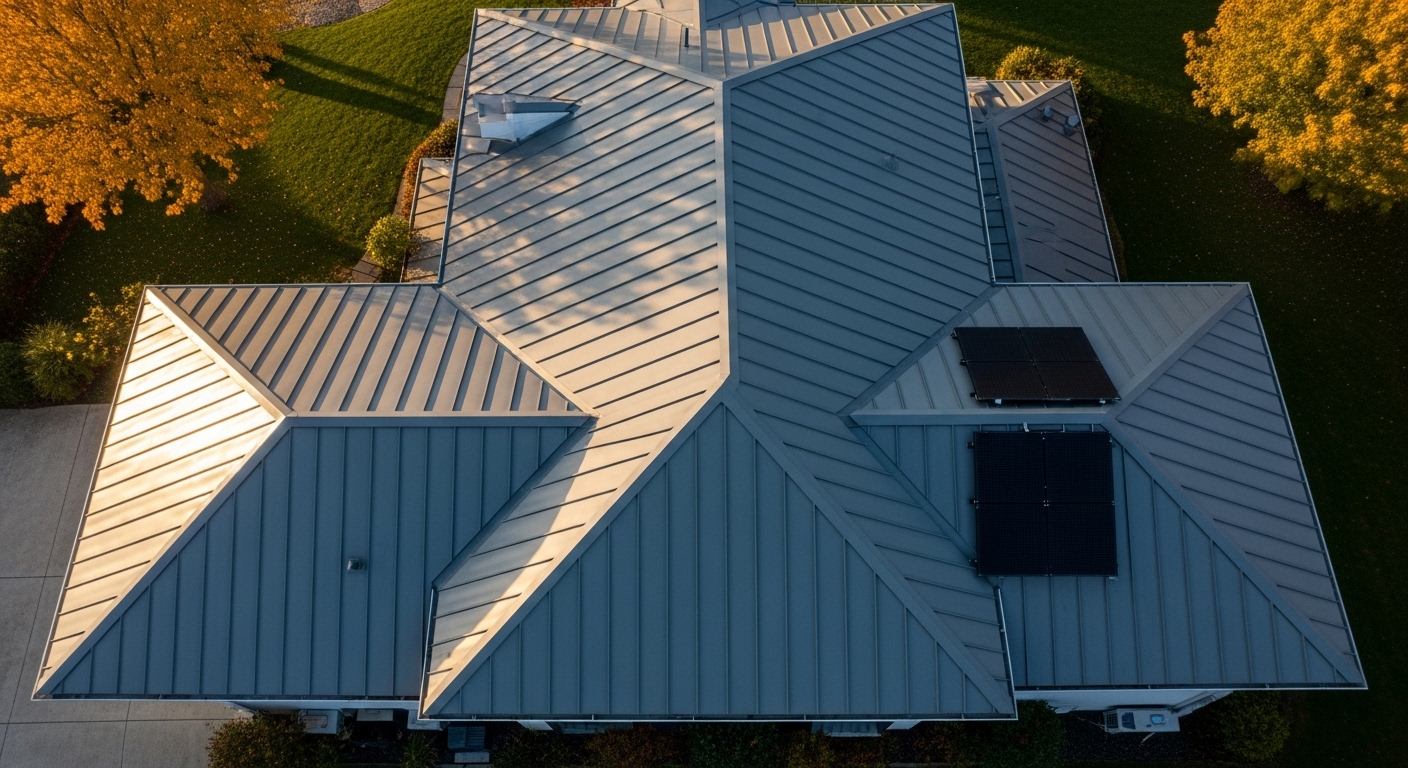
Aluminum siding did not vanish overnight. It faded, slowly, almost quietly, the way certain building habits do when nobody is fully defending them anymore. There was a time when entire neighborhoods shimmered slightly in the sun, not paint, not vinyl, but metal panels locked together with confidence. Now you rarely see new homes wearing it. The reasons are practical, economic, and a little emotional too, though people do not always admit that part.
This is not about one flaw. It is about a stack of small tradeoffs that added up over decades.
Aluminum siding had a real moment in history
Aluminum siding took off in the mid 20th century, especially after World War II. The metal was familiar, factories knew how to shape it, and housing demand exploded. Builders wanted something fast, uniform, and low maintenance compared to wood. Aluminum checked those boxes at the time.
Aluminum siding made its debut in the late 1930s and quickly gained traction throughout the mid-20th century. By the 1940s, companies like Alcoa began mass-producing aluminum siding panels, responding to demand from homeowners seeking low-maintenance exterior solutions.
https://www.burr123.com/posts/aluminum-siding-the-end-of-an-era
By the 1960s and 1970s, aluminum siding was everywhere. It resisted insects, did not rot, and held paint better than wood clapboards. For many homeowners back then, it felt modern. It looked clean. It stayed put through harsh winters and humid summers, mostly without complaint.
Denting became its quiet enemy
Aluminum siding bends. That sounds obvious now, but early marketing downplayed it. Hail storms, baseballs, lawn equipment mishaps, even a ladder leaning the wrong way could leave visible dents. Once dented, the panel did not bounce back. It stayed marked, like a memory you could not erase.
Insurance data over the years showed higher cosmetic damage claims in hail prone regions where aluminum siding was common. While vinyl can crack, it often hides minor impacts better. Aluminum shows everything. That visibility worked against it, even when the damage was purely cosmetic.
Noise was another complaint people did not expect
Metal expands and contracts with temperature. Aluminum siding does this more noticeably than many alternatives. Homeowners would hear ticking, popping, and soft creaks as the sun hit the walls or as temperatures dropped at night.
None of this meant failure. The siding was doing what metal does. Still, for people expecting silence, it felt unsettling. Houses are supposed to be quiet. Repeated noise, even harmless, chips away at confidence.
Maintenance was different, not always easier
Aluminum siding does not rot, true. But it does oxidize. Over time, the surface can develop a chalky residue. Paint fades unevenly. Repainting aluminum siding is possible, but it requires careful prep, specific primers, and patience.
By contrast, vinyl siding arrived promising color that ran through the material. No paint. No chalking. That promise, whether fully accurate or not, sounded attractive to homeowners tired of periodic repainting.
Energy efficiency standards moved forward
Older aluminum siding installations often lacked proper insulation behind the panels. While insulated backing systems existed, many early homes simply had aluminum over sheathing. As energy efficiency standards tightened, especially from the late 1980s onward, builders shifted toward systems that integrated insulation more easily.
Vinyl siding with insulated foam backing, fiber cement boards, and modern wall assemblies aligned better with evolving energy codes. Aluminum was not incapable, it just was not the easiest option anymore.
Cost dynamics shifted over time
Aluminum pricing is tied to global commodity markets. When aluminum prices rise, siding costs follow. Vinyl, made from petroleum based products, followed a different cost curve and often stayed cheaper for large scale residential projects.
Builders chase predictability. Over time, aluminum became harder to price consistently. Vinyl and fiber cement offered more stable supply chains and pricing models, especially for mass developments.
Aesthetic trends changed, quietly but firmly
Aluminum siding became associated with a specific era. Flat profiles, visible seams, and limited texture options locked it into a mid century visual identity. Even when updated profiles existed, public perception lagged behind reality.
Homebuyers began associating aluminum siding with older homes, even if the material itself was still functional. Perception matters more than performance sometimes. Once a material feels dated, it struggles to return.
Environmental questions complicated the conversation
Aluminum is recyclable. That is one of its strengths. However, producing aluminum is energy intensive. As sustainability discussions grew louder, materials with lower production energy footprints gained favor in residential marketing, even if the full lifecycle math was complex.
Recycled aluminum helps, but the narrative became harder to explain compared to simpler messaging around other materials.
Is aluminum siding actually bad?
No, not inherently. Many aluminum sided homes are still standing strong after fifty years. The material resists fire, insects, and moisture better than many alternatives. It does not crack in cold like some vinyl products can. It just asks for tolerance. Tolerance for dents. Tolerance for noise. Tolerance for a look that feels out of step with current taste.
Why you still see it, just not new installs
You still find aluminum siding on older homes because replacing it is expensive and often unnecessary. If it is intact and properly maintained, there is little structural reason to remove it. New installations, however, chase different priorities now. Speed, appearance, insulation integration, and buyer expectations steer decisions more than durability alone.
Closing thoughts
Aluminum siding did not fail. It simply stopped fitting the story builders wanted to tell. It asked homeowners to accept imperfections, and modern construction culture prefers surfaces that hide flaws quietly. In a way, aluminum siding was too honest. It showed every dent, every impact, every season.
And sometimes, that honesty costs a material its place on new houses, even if it never truly deserved to lose it.
