
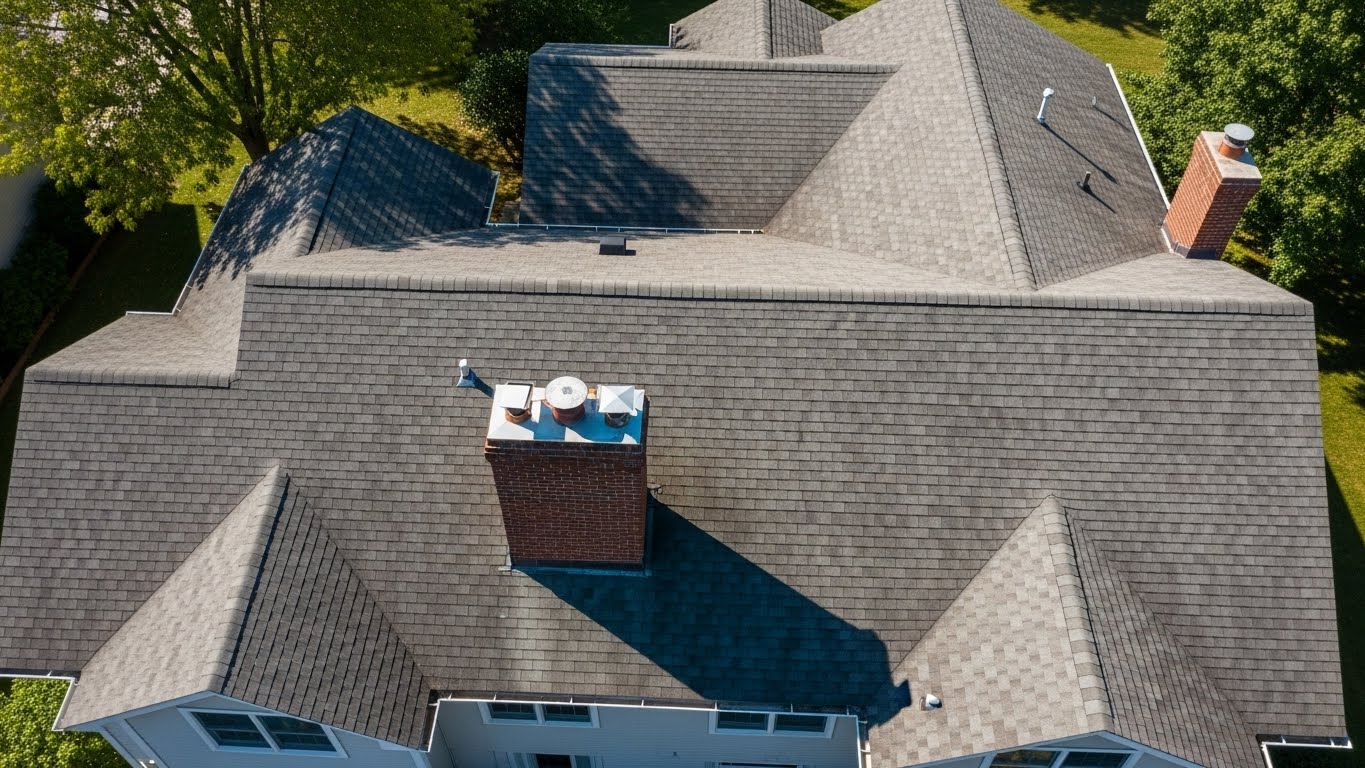
Nobody plans for this. You budget, you schedule time off work, you listen to promises about craftsmanship and warranties. Then the job finishes and something feels off. Shingles don’t sit right. Flashing looks sloppy. A leak shows up after the first rain and suddenly your stomach sinks. Bad roofing work has a way of revealing itself slowly, then all at once.
The worst part is not the roof itself. It is the confusion about what to do next and how fast things can spiral if handled poorly.
First step, stop assuming it is just cosmetic
A lot of homeowners talk themselves out of action. They notice uneven shingle lines or exposed nails and think maybe that is normal. It usually is not. Asphalt roofing is repetitive by nature. When things look random, rushed, or patched together, it often points to deeper installation problems.
Leaks are obvious red flags, but so are soft spots, loose flashing, misaligned ridges, and shingles lifting at the edges. Even small visual defects can shorten roof life dramatically. Asphalt shingles depend on correct overlap and sealing. When that fails, water always finds a way.
Document everything before emotions take over
Before calling anyone, start documenting. Take photos from multiple angles. Use close ups and wider shots. If water is coming in, record the interior damage as well. Dates matter. Weather conditions matter too. If it rained and leaked, write that down somewhere.
This step feels boring, but it becomes critical later. Memory fades. Photos do not. Contractors respond differently when presented with clear evidence instead of frustration alone.
Review the contract slowly, even if it annoys you
Most people skim roofing contracts. Now is the time to read every line. Look for scope of work, materials specified, installation standards, cleanup responsibilities, and warranty language. Many contracts reference manufacturer installation requirements even if they do not spell them out.
If the contract states architectural shingles with proper flashing and ice and water protection, and you did not get that, you have leverage. Even vague language can work in your favor if workmanship standards are implied.
Contact the roofer directly, but keep it calm
Call or email the roofing company and explain the issues clearly. Avoid accusations. Stick to facts. Mention specific defects you observed and include photos. Reputable contractors often want the chance to fix mistakes before things escalate.
Some bad jobs are not malicious. They are rushed crews, miscommunication, or inexperienced installers. That does not excuse the result, but it does change how you approach resolution. Calm communication gets faster results than threats.
Do not let them patch blindly without agreement
If the roofer offers to fix things, ask what exactly they plan to do. Temporary patches can hide bigger problems. Re sealing one area does not help if the underlayment is compromised or flashing was installed wrong across the roof.
Get repair plans in writing. Even a simple email confirmation helps. You want clarity on what is being corrected and what remains untouched.
Get a second opinion before approving major fixes
When trust is shaken, another set of eyes matters. A qualified independent roofer or inspector can assess workmanship and identify whether repairs are sufficient or if partial replacement is needed. This step often costs money, but it can prevent much larger losses later.
Industry surveys have shown that installation errors account for a significant share of premature roof failures, sometimes more than material defects themselves. Knowing whether the problem is localized or systemic changes everything.
Withhold final payment if allowed, carefully
If you have not paid in full and the contract allows withholding payment until completion, use that leverage carefully. Do not refuse payment without justification. Tie payment concerns directly to unresolved workmanship issues.
This is where documentation and second opinions become powerful. Contractors take unresolved balances seriously, especially when evidence supports your position.
Escalate only when necessary
If communication breaks down, escalation may be unavoidable. Options include filing a complaint with licensing boards if applicable, contacting manufacturer certification programs if the roofer claimed certified status, or using mediation services.
Legal action is usually the last step, not the first. Lawsuits cost time, energy, and often more than the repair itself. Still, knowing your rights changes the tone of negotiations.
Fixing a bad roof is often harder than installing a new one
This part surprises many homeowners. Correcting poor workmanship can involve removing sections, replacing damaged decking, reinstalling underlayment, and resetting shingles properly. In some cases, full replacement becomes the safest option.
The painful truth is that a badly installed roof rarely ages gracefully. Small shortcuts today turn into leaks, rot, and mold tomorrow.
Emotional reality nobody talks about
A bad roofing job messes with people. It invades the sense of safety tied to a home. You feel watched by the ceiling during rainstorms. You start listening for drips at night. That stress is real and justified.
Acting early matters. Problems ignored rarely fix themselves. Problems confronted calmly and methodically often do.
Final thoughts
When roofers do a bad job, speed and clarity matter more than anger. Document. Review. Communicate. Verify. Escalate only when needed. Roofing failures are frustrating, but they are also fixable when handled deliberately.
The roof over your head is not the place to gamble on hope. It deserves attention, even when the conversation feels uncomfortable.
