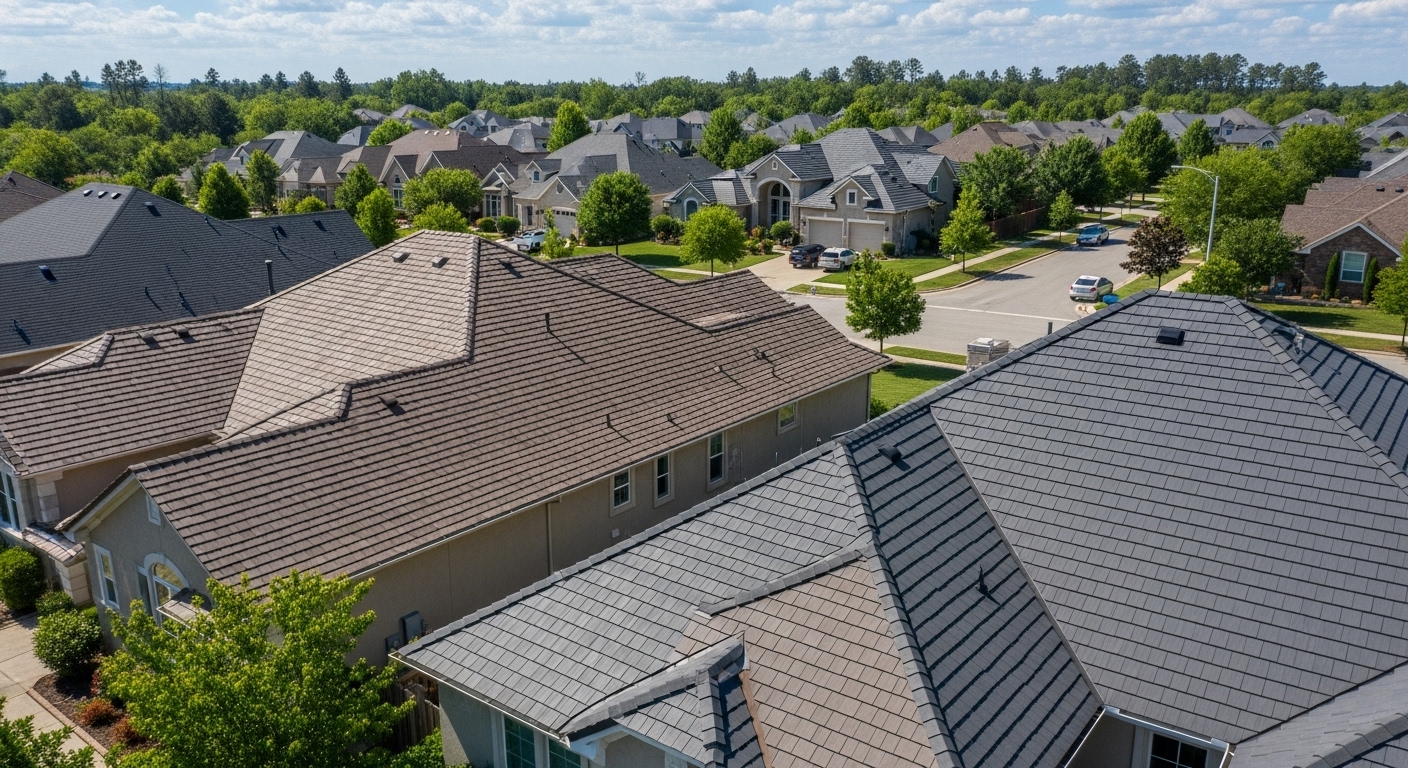
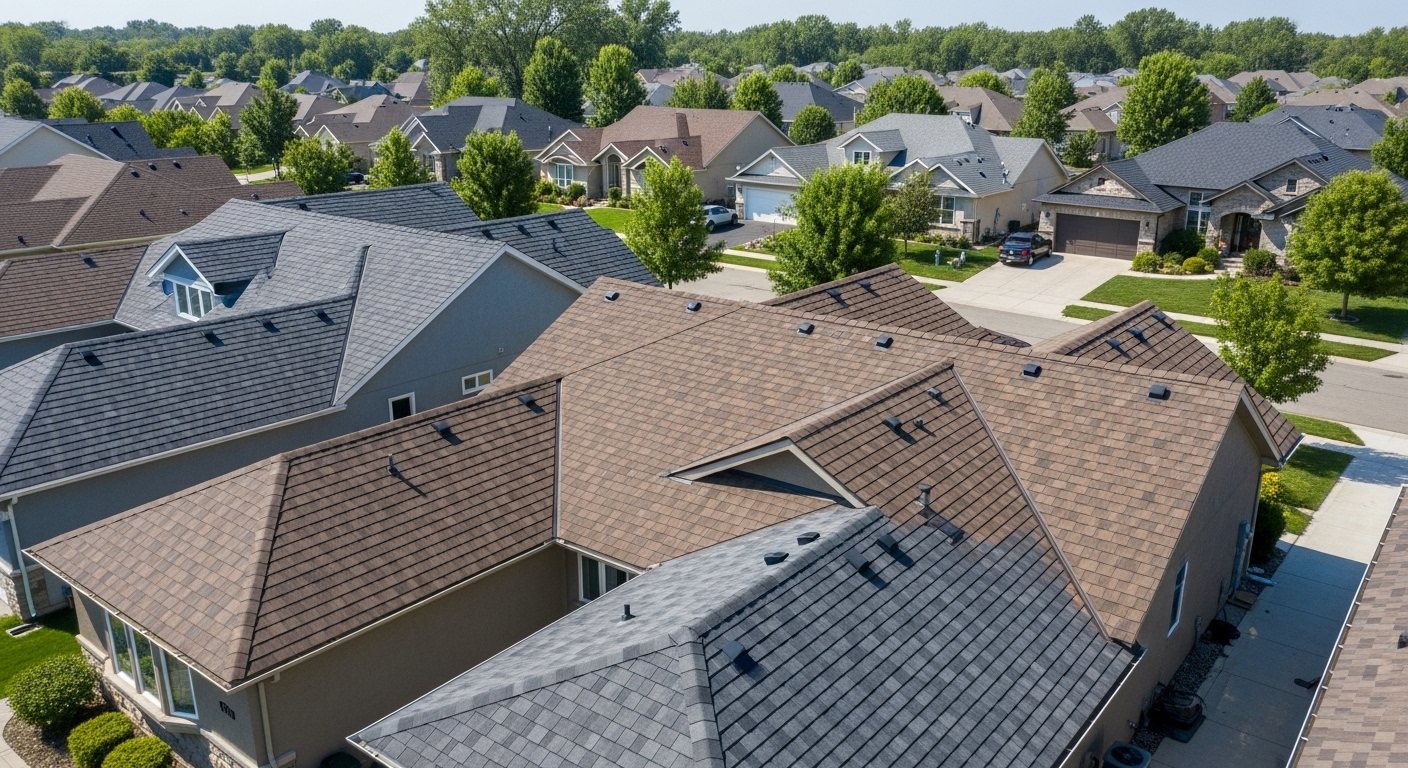
Stone coated metal roofing has a reputation for being low effort. Not zero effort, just not the kind that eats weekends. People hear “metal roof” and assume it behaves like a silent vault, locked and forgotten for decades. That idea is close, but not perfect. Even the toughest roof still sits outside every single day, taking heat, rain, dust, and whatever the wind feels like throwing at it.
Maintenance here is less about fixing problems and more about preventing small annoyances from becoming expensive distractions later.
Understanding what stone coated metal actually is
This roof system is steel at its core, usually galvanized or galvalume, then coated with acrylic binders and stone granules. The stone layer protects the metal from UV exposure and adds texture that helps with noise control and grip. Because of this layered setup, the roof does not behave like bare metal sheets, and it does not age like asphalt either.
That hybrid nature is why the maintenance needs feel different, almost quieter.
Routine visual inspections still matter
Even though stone coated metal roofs can last 40 to 70 years in many climates, visual checks should still happen once or twice a year. Not obsessive inspections, just calm observation. Look for displaced panels, loose fasteners, or areas where debris piles up. Valleys and roof to wall transitions deserve extra attention since that’s where water likes to pause.
Most issues spotted early stay small. Ignored ones sometimes grow personalities.
Keeping the roof surface clean, but gently
Stone coated metal roofs do not need scrubbing the way siding sometimes does. In most regions, rainfall handles basic cleaning. However, in shaded or humid areas, algae or moss can show up over time. When that happens, gentle rinsing with water usually does the job.
Harsh chemicals, pressure washers, and abrasive brushes should be avoided. They can dislodge the stone granules and shorten the roof’s protective life. If cleaning feels aggressive, it probably is.
Verify with the manufacturer for specific cleaning instructions. In general, use a soap cannon attached to a standard hose or a pressure washer hose to clean. DO NOT USE WATER PRESSURES ABOVE 500 PSI. DO NOT EXCEED 165 DEGREE WATER TEMPERATURE. Rely on the cleaner to do the heavy lifting and use water spray more for a rinse procedure than a primary lift method.
https://www.bestbuymetals.com/cleaning-stone-coated-metal-roofs/
Gutters and drainage affect the roof more than people think
Clogged gutters create backup water, and backup water tests even strong roofing systems. Leaves, pine needles, and roof granules from nearby asphalt roofs can block drainage paths. Clearing gutters at least once a year helps prevent water from lingering along eaves and edges.
This step feels indirect, but it protects the roof quietly.
Fasteners and flashings need occasional checking
Most stone coated metal roofs use concealed fasteners, which reduces exposure but does not eliminate movement. Temperature changes cause expansion and contraction. Over time, flashings around chimneys, vents, and skylights should be checked for seal integrity.
Sealants may need touch ups every 10 to 15 years depending on climate. That’s normal aging, not failure.
Dealing with fallen branches and impact events
Stone coated metal roofing handles hail and debris better than many systems, but it is not immune to impact. After storms, it’s smart to check for dents, shifted panels, or cracked stone coating. Even if the metal underneath is fine, damaged coating can expose steel over long periods.
Most impacts do not require immediate repair, but documenting them helps later if questions come up.
Rust concerns are rare, but not impossible
Properly installed stone coated metal roofs resist corrosion very well. Rust usually only appears if the protective coating is compromised and moisture stays trapped. Scratches from foot traffic or fallen tools should be sealed if they cut through the coating.
This is one reason professional inspections every few years can be helpful, especially in coastal or industrial areas.
Walking on the roof, less is more
Stone coated metal roofs can be walked on, but it should be done carefully and sparingly. Stepping on ridges or unsupported areas can crack stone granules or bend panels slightly. If roof access is needed, stepping where panels are supported below is important.
Most homeowners never need to walk on their roof, and that’s a good thing.
Snow and ice usually handle themselves
In colder climates, snow sheds naturally from metal roofing surfaces. Stone coating adds grip, slowing sudden slides, which reduces stress on gutters. Ice dams are less common compared to asphalt systems, especially when insulation and ventilation are correct.
Maintenance here is mostly observational. If ice behaves strangely, the issue is often attic related, not roofing material related.
How often should professional maintenance happen?
For most homes, a professional inspection every 3 to 5 years is enough. Not every year, not ignored for decades either. These inspections are usually quick and focus on flashings, sealants, and any early coating wear.
Compared to other roofing types, the maintenance schedule feels almost relaxed.
Final thoughts
Stone coated metal roofing asks for attention, not devotion. It rewards homeowners who notice things early and leave the surface alone otherwise. No constant patching, no seasonal panic, no regular replacement cycles.
The maintenance it needs is mostly about respect for the material and patience with time. When handled that way, it tends to return the favor quietly, year after year, without much drama at all.