
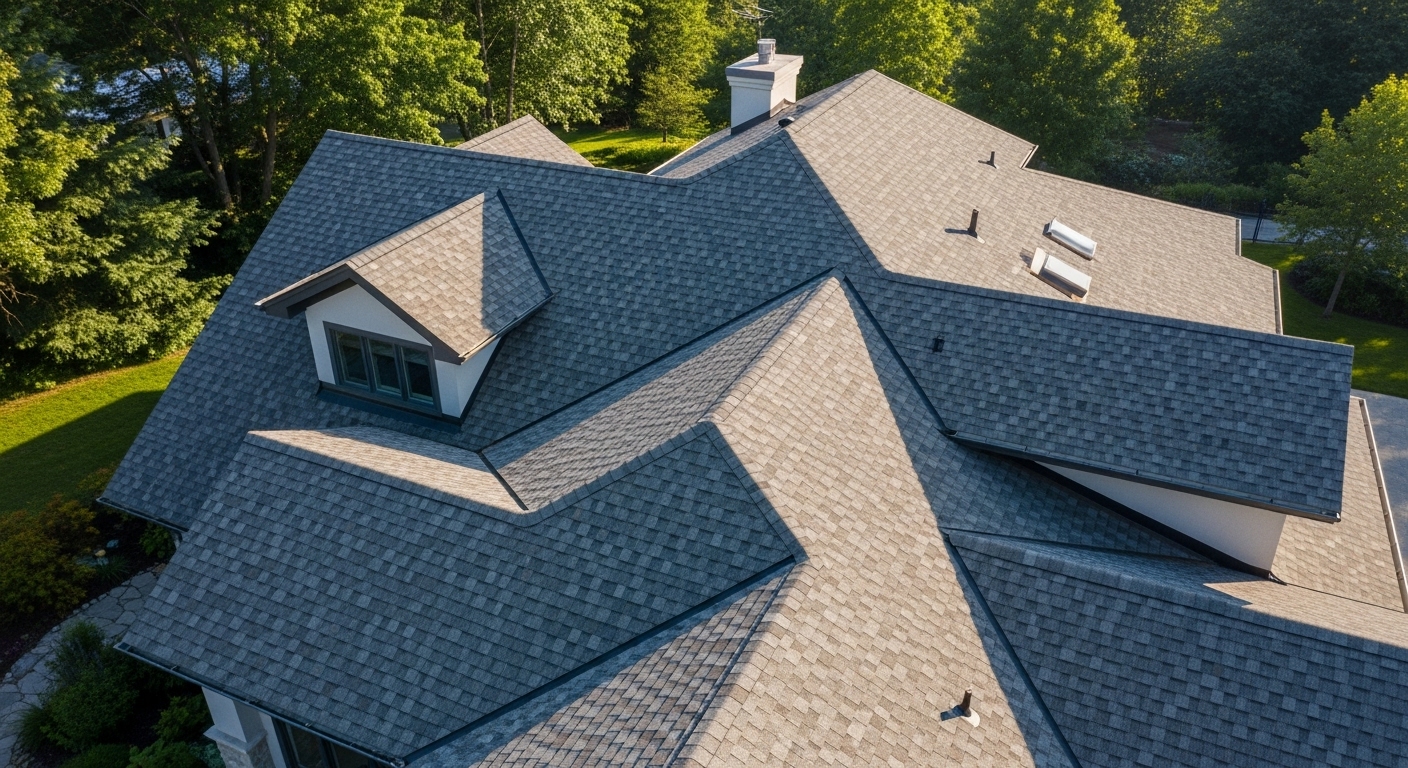
This comparison comes up when homeowners are tired of replacing things. Or tired of storms. Or just tired of writing checks every 18 to 22 years. Stone coated steel roofing and asphalt shingles sit on opposite ends of the mindset spectrum. One is familiar, replaceable, widely used. The other feels permanent, heavier in meaning even if not in weight.
The cost gap between them is real. But so is the lifespan gap. And that is where the math starts to twist a bit.
Basic pricing ranges
Asphalt shingles remain the cheaper upfront option almost everywhere. For an average sized home around 2000 sq ft, asphalt roofing usually lands between $7000 and $12000 installed. That range includes materials, labor, tear off, and basic accessories. Architectural shingles push the price higher than three tab, but still stay within reach for most homeowners.
Stone coated steel roofing typically costs between $14000 and $25000 for the same house size. Sometimes more in high labor markets. That price includes steel panels, stone granules, specialized fasteners, trims, and slower installation labor. The sticker shock is real, no sense pretending otherwise.
Cost per square comparison
Roofers price both systems per square, meaning 100 sq ft. Asphalt shingles usually run $350 to $550 per square installed. Stone coated steel roofing often falls between $700 and $1200 per square installed. The spread comes from panel style, roof complexity, and local labor conditions.
That means steel roofing can cost roughly two times more at installation. Sometimes closer to three times. Homeowners see that number and pause hard.
Lifespan expectations change the equation
Asphalt shingles typically last 18 to 25 years in real conditions. Marketing brochures may say more, but heat, UV exposure, and storms shorten that promise. Data from insurance claim patterns and roofing industry surveys consistently show asphalt roofs being replaced well before their theoretical lifespan.
Stone coated steel roofing often carries material warranties of 40 to 50 years. Many manufacturers back this with proven performance data from decades of installations. The steel itself resists rot, insects, and cracking. The stone coating protects against UV and adds impact resistance.
One roof often replaces two, sometimes three asphalt roofs over the same time span.
Maintenance costs over time add up quietly
Asphalt shingles require periodic attention. Granule loss, curling edges, cracked tabs, and exposed nails are common aging issues. Small repairs are affordable, but they add up over decades. Moss growth and algae staining also require cleaning in many climates.
Stone coated steel roofing generally needs minimal maintenance. Occasional inspections, clearing debris, and checking fasteners is usually enough. There are fewer individual failure points compared to thousands of asphalt shingles nailed separately.
Less maintenance does not mean zero cost, but it stays quieter.
Weather resistance differences matter more now
Asphalt shingles are vulnerable to wind uplift and hail damage. Many standard shingles are rated for wind speeds around 60 to 110 mph depending on type and installation quality. Hail can strip granules fast, even when shingles do not puncture.
Stone coated steel roofing often carries wind ratings exceeding 120 mph and hail impact ratings at the highest industry classifications. The interlocking panel systems resist uplift better. Insurance claim data shows fewer storm related failures for steel roofs in severe weather regions.
That difference sometimes shows up in insurance premium adjustments, depending on the carrier.
Energy performance affects long term costs
Asphalt shingles absorb heat. Dark colors especially push attic temperatures higher, increasing cooling loads in warm climates. Ventilation helps, but heat gain still occurs.
Stone coated steel roofing reflects more solar radiation and allows airflow beneath panels. Studies on residential energy performance show cooling cost reductions ranging from 5 to 15 percent in some regions. Results vary by climate, insulation quality, and attic design, but the effect is measurable.
Savings are gradual, not dramatic, but they stack over decades.
Installation complexity and labor reality
Asphalt roofing installs fast. Crews can shingle a house in a day or two. Materials are forgiving. Mistakes are easier to fix mid job.
Stone coated steel roofing installs slower. Panels must align precisely. Trims and flashings are more detailed. Fewer crews are trained properly, which affects availability and labor cost. The upside is cleaner installs and fewer errors when done correctly.
Speed favors asphalt. Precision favors steel.
Resale value and buyer perception
Homes with newer asphalt roofs are expected. It is baseline. Buyers rarely pay extra for it, they just feel relief when it is not old.
Stone coated steel roofing stands out. In some markets, buyers see it as a premium upgrade tied to durability and low maintenance. Appraisal value increases vary widely, but buyer confidence tends to rise when replacement anxiety disappears.
Not every buyer understands steel roofing, but many appreciate not having to think about roofs for decades.
Cost per year
If an asphalt roof costs $9000 and lasts 20 years, the cost averages $450 per year before maintenance. If a stone coated steel roof costs $18000 and lasts 50 years, the cost averages $360 per year before maintenance. The math flips the narrative quietly.
Upfront pain versus long term calm. That is the real trade.
Final thoughts
Stone coated steel roofing costs more, no argument. Asphalt shingles remain the budget friendly, familiar choice. But when lifespan, maintenance, storm resistance, and energy performance enter the conversation, the comparison stops being simple.
Some homeowners plan to move in ten years. Others plan to never replace a roof again. The right answer depends less on the house and more on how long someone plans to live under that roof, listening to rain hit it year after year.
