
This question shows up right when someone starts getting roofing quotes and their stomach tightens a bit. Aluminum sounds light, modern, maybe even economical. Asphalt shingles sound familiar, predictable, almost boring. But cheaper is not a word that behaves well in roofing conversations. It shifts depending on what part of the timeline you look at. Upfront. Ten years out. Thirty years out. The answer changes mid sentence sometimes.
So no, aluminum is usually not cheaper at first glance. But stopping there would be lazy, and roofing decisions punish laziness.
Upfront installation cost, where the shock happens
If you compare install prices alone, asphalt shingles almost always win. National pricing data from contractor surveys and material distributors consistently shows asphalt shingles installed at roughly $3.50 to $5.50 per square foot for standard homes. For a typical 2000 sq ft house, that lands many projects between $7000 and $12000 depending on pitch, labor, and region.
Aluminum roofing, by contrast, usually starts higher. Installed aluminum panels often fall between $9 and $14 per square foot. That puts the same house closer to $18000 to $28000. The number feels aggressive. People pause. Some stop the conversation entirely at that point.
That reaction is understandable, but incomplete.
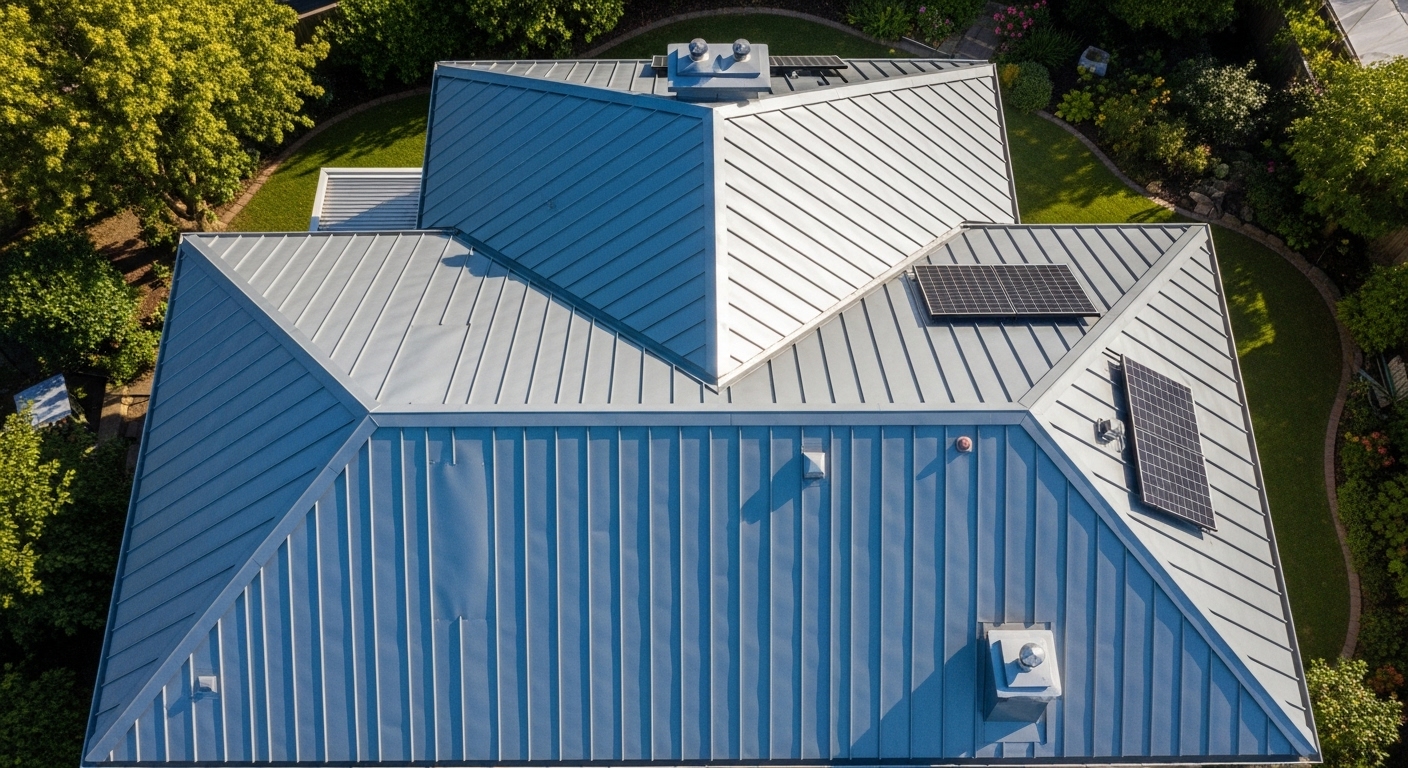
While not as popular as steel (Galvalume), aluminum is a common metal roofing material installed in coastal environments where saltwater is prevalent. That being said, how much do you know about aluminum? Do you know the critical advantages and disadvantages of this metal roofing material?
https://sheffieldmetals.com/learning-center/what-is-aluminum-roofing/
Material pricing alone does not tell the story
Asphalt shingles are mass produced in enormous volumes. That keeps material costs relatively low and predictable. Aluminum roofing materials cost more because the metal itself costs more and the manufacturing process is more involved. Coatings, finishes, panel forming, all of it stacks cost early.
But aluminum roofs are also lighter than steel and often installed over existing shingles in some cases, depending on local code. That can reduce tear off and disposal costs, which quietly narrows the gap in certain homes.
It does not erase it, but it dents it.
Lifespan differences change the math entirely
This is where asphalt loses its easy confidence. Most asphalt shingle roofs last 15 to 25 years in real conditions. Some fail earlier due to heat, poor ventilation, or storm damage. Very few make it to the full advertised lifespan without repairs.
Aluminum roofs commonly last 40 to 70 years. Some last longer. They do not rot, crack, or blister. Corrosion resistance is one of aluminum’s biggest strengths, especially in coastal or humid climates.
If a homeowner replaces an asphalt roof twice over 40 years, the total cost often overtakes a single aluminum install. The money just gets paid in smaller painful chunks instead of one large one.
Maintenance costs quietly favor aluminum
Asphalt roofs require attention. Missing shingles, granule loss, flashing failures, occasional leaks. None of these feel catastrophic alone, but they add up. Repair calls, patch jobs, and inspections slowly increase the lifetime cost.
Aluminum roofs need far less intervention. Fasteners, sealants, and penetrations still require monitoring, but the surface itself remains stable. Hail often dents aluminum cosmetically but rarely causes functional failure, unlike asphalt which can lose granules and water resistance.
Over decades, that difference shows up on bank statements.
Energy performance creates indirect savings
Aluminum roofs reflect heat far better than asphalt shingles. Studies on roof reflectivity and attic heat gain consistently show lower surface temperatures on metal roofs during hot months. That reduces attic heat load and can lower cooling demand.
The monthly savings vary widely by climate and insulation quality, so it is not a guaranteed win everywhere. But over long periods, aluminum roofs often shave noticeable energy costs, especially in warmer regions.
Asphalt roofs absorb more heat. They are not terrible, just less helpful.
Insurance and storm resistance add another layer
Some insurance providers offer premium discounts for metal roofs due to their fire resistance and durability. Aluminum does not burn. It also performs well in high wind ratings when properly installed.
Asphalt shingles can perform well too, especially impact rated versions, but they remain more vulnerable overall. One severe hailstorm can turn a shingle roof into a claim. Aluminum roofs often ride through the same storm with cosmetic bruises and no replacement check needed.
That matters more than people admit until it happens to them.
Noise myths refuse to die
Many homeowners worry aluminum roofs will sound loud during rain. In residential installs with proper decking and insulation, the difference is minimal. The noise issue is mostly tied to barns, sheds, and exposed framing, not houses built with modern assemblies.
Asphalt does not hold a dramatic advantage here in real homes.
So is aluminum cheaper than shingles?
At installation time, no. Aluminum costs more, often significantly more. Over the life of the roof, aluminum can be cheaper, sometimes much cheaper, depending on how long the homeowner stays in the house and how the local climate behaves.
Shingles win short term affordability. Aluminum wins long term cost stability.
A realistic takeaway
For homeowners planning to stay put for decades, aluminum often makes financial sense despite the initial hit. For those selling within 10 to 15 years, asphalt shingles usually remain the practical choice.
Neither option is wrong. The mistake is assuming cheaper only means the number on the first invoice. Roofing punishes that assumption slowly, then all at once.
