
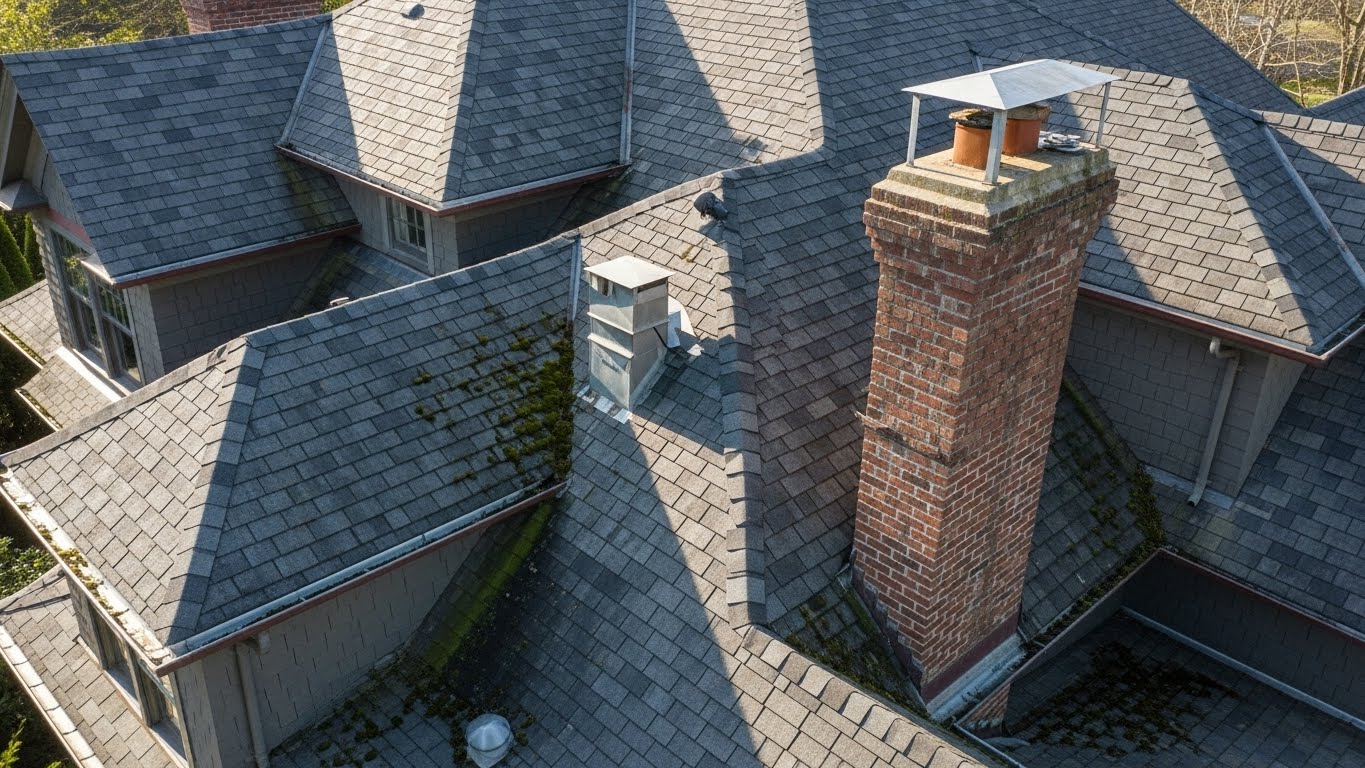
Roof tear off pricing is one of those things people assume is cheap, until it shows up as a line item that makes them pause. It feels like demolition, just ripping stuff off, tossing it in a truck. In reality, tear off is one of the most labor heavy parts of roofing, and it quietly eats a chunk of the budget before a single new shingle is laid.
Most roofers charge for tear off separately, even if it is bundled into the final proposal. Understanding this cost helps homeowners read estimates with clearer eyes, not crossed fingers.
Average tear off cost per square
Roofers usually price tear off by the square, where one square equals 100 sq ft of roof surface. Across the US, typical tear off charges range from $100 to $200 per square for a single layer of asphalt shingles. For a roof measuring around 24 squares, that places tear off costs roughly between $2400 and $4800.
While overlays can save money in the short term, they’re rarely the best long-term choice. A full tear-off ensures your new roof is properly installed, free of hidden damage, and built to last. It also offers a better return on investment, especially if you plan to stay in your home or eventually sell.
https://hostetlerroofing.com/roof-tear-off-vs-overlay-which-is-better-for-your-home/
That spread is not random. It reflects roof height, pitch, access, disposal fees, and how stubborn the old shingles decide to be that week.
One layer vs two layers makes a big difference
A single layer roof comes off faster, cleaner, with fewer surprises. Two layers slow everything down. Nails are longer, shingles are heavier, and crews work more cautiously. Many roofers charge an extra $50 to $100 per square for removing a second layer.
If a roof has three layers, which still happens in older homes, some contractors refuse the job outright. Others will do it, but the tear off cost climbs sharply. Labor fatigue and safety risks are real here.
Labor costs drive most of the tear off price
Tear off is not delicate work, but it is exhausting work. Crews are lifting, scraping, hauling, and tossing for hours straight. Labor alone often accounts for more than half of tear off pricing. Industry labor data shows roofing remains among the higher risk construction trades, which affects wages and insurance.
Steep roofs or multi story homes increase labor time. Crews move slower, stage more equipment, and take more breaks. All of that shows up in the final number, even if it never gets spelled out clearly.
Dump fees and disposal costs add up quietly
Old shingles do not vanish. They go to landfills, and landfills charge by weight or volume. Disposal fees vary widely by region, but many contractors pay several hundred dollars per load. A full tear off on a 2000 sq ft house can generate two to three tons of debris.
Those fees are baked into tear off pricing. When landfill costs rise, tear off prices follow, even if everything else stays the same.
Roof pitch and height change the equation
A low slope single story roof is the cheapest scenario. Anything steeper than a 6 12 pitch often triggers surcharges. Crews need harnesses, toe boards, and extra setup time. Two story homes also cost more, mostly due to safety precautions and debris control.
Some contractors add flat fees for steep roofs. Others raise the per square tear off rate. Either way, geometry matters more than homeowners expect.
Decking repairs discovered during tear off
Once shingles come off, the roof deck finally tells the truth. Rotten plywood, water damage, and soft spots are common, especially around valleys and chimneys. While decking replacement is not technically part of tear off, it is almost always discovered during that phase.
Plywood replacement typically costs $70 to $120 per sheet installed. Even a few sheets can nudge the total bill higher than planned, which is why good roofers warn about this upfront.
Regional pricing differences are very real
Tear off costs in rural areas tend to sit on the lower end. Urban and coastal regions usually run higher due to labor rates and landfill fees. After major storms, tear off pricing often spikes temporarily because crews are booked and debris facilities are overwhelmed.
Same roof, same shingles, different city, very different tear off number. It frustrates people, but it is normal.
Is tear off ever optional?
In some cases, roofers install shingles over existing ones, called an overlay. This skips tear off costs entirely, at least upfront. Building codes in many areas limit this to one existing layer. Overlays also shorten roof lifespan and hide deck problems.
Most reputable contractors still recommend full tear off, even when overlays are allowed. Skipping it saves money now, but often costs more later.
What homeowners should realistically expect to pay
For a standard asphalt roof on a typical home, tear off usually accounts for 25 to 40 percent of the total roofing cost. On a 2000 sq ft house, that often lands between $2500 and $4500 for a single layer removal.
Cheaper quotes exist. Higher ones do too. The difference usually lies in roof complexity, not contractor greed.
Closing thoughts
Roof tear off is messy, loud, and physically demanding. It is also essential. The price reflects labor, risk, disposal, and the unknowns hiding under old shingles. When homeowners understand why tear off costs what it does, roofing estimates stop feeling like random numbers and start looking like math with bruises behind it.
Knowing this part of the process makes the rest of the roofing decision feel less blind, even if the invoice still stings a bit.
