
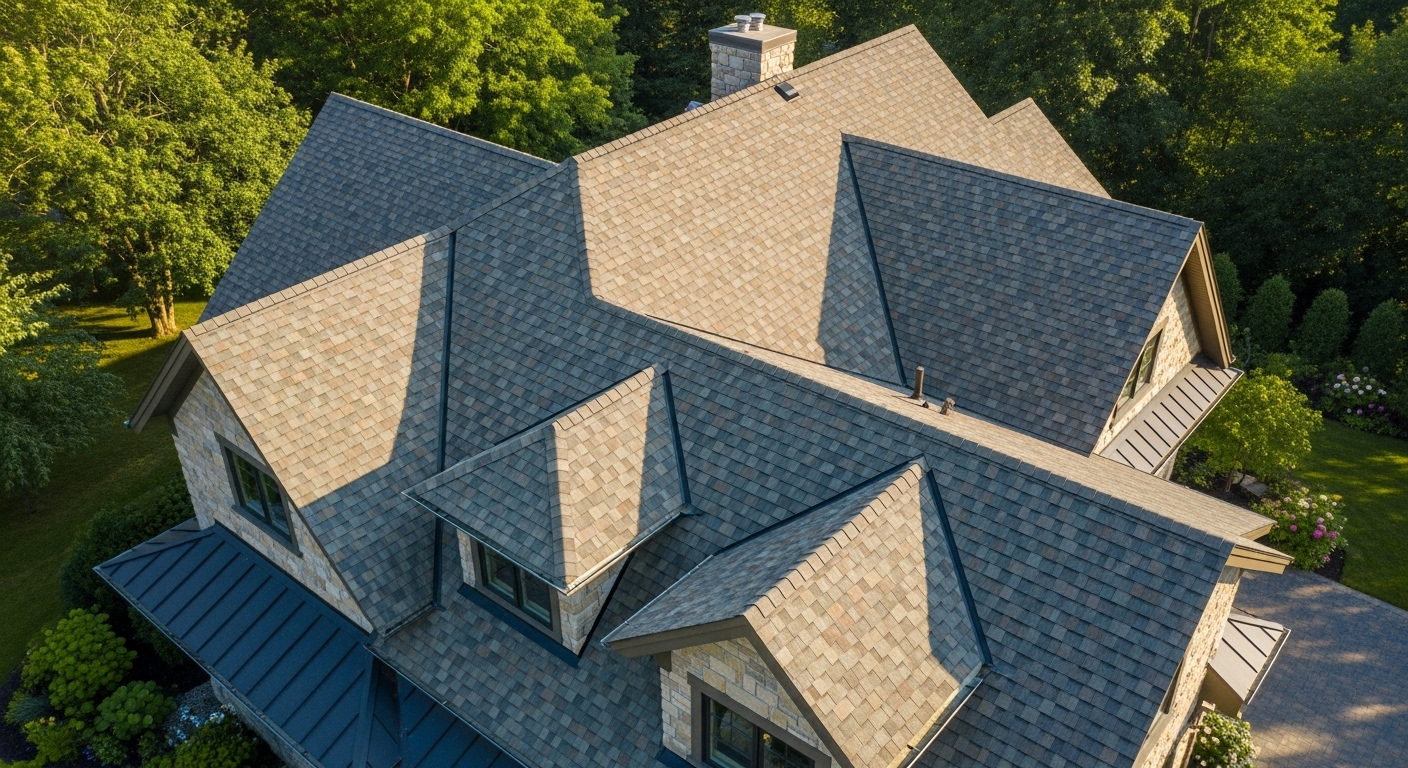
Short answer, usually yes. Longer answer, it depends on how buyers read quality, how appraisers frame longevity, and how long you plan to stay put. Roofing upgrades rarely behave like kitchen remodels where everyone nods in agreement. A Decra roof sits in a different category. It signals durability first, style second, and replacement anxiety almost disappears from the conversation.
Homes do not sell on spreadsheets alone. They sell on perception mixed with math, sometimes unevenly.
What exactly is a Decra roof, in practical terms
Decra Roof Systems makes stone coated steel roofing, not asphalt, not tile, not wood. Steel core, stone granules bonded on top, formed to mimic shake, tile, or shingles. It looks familiar from the street, but behaves very differently over time.
These roofs often carry manufacturer warranties measured in decades, not marketing years. Many are rated for 50 years or more under normal conditions. That lifespan alone reframes value discussions.
How home value increases actually happen
Home value increases rarely show up as a dollar for dollar return. Appraisers do not simply add the cost of a roof to the sale price. Instead, they adjust for condition, expected maintenance, and market competitiveness.
A Decra roof improves three quiet but powerful variables:
• perceived build quality
• expected ownership cost
• resistance to weather related loss
Those factors influence both appraisal notes and buyer willingness to stretch offers.
Data points that matter, even if they are not flashy
Industry valuation studies consistently show that premium roofing materials recoup a meaningful portion of their cost at resale. While asphalt roofs often return 60 percent or less of their install cost, metal and stone coated steel roofs tend to recoup closer to 70 to 85 percent depending on region and market demand.
In high wind or hail prone areas, impact resistant roofing often carries even stronger resale influence. Insurance discounts offered for Class 4 rated roofs also affect buyer math, especially in states where premiums feel painful every year.
Buyer psychology plays a bigger role than expected
Most buyers do not want to think about roofs. At all. When they see a Decra roof, especially one installed within the last decade, it removes a future cost from their mental checklist. That relief matters more than people admit.
A buyer comparing two similar homes may justify paying more simply because one eliminates a $20000 future replacement. Even if they do not calculate it cleanly, the feeling sticks.
Appraisers notice longevity, even if it is understated
Appraisal reports rarely gush. They do however note roofing material type, condition, and remaining life expectancy. A Decra roof often gets described as premium, long life, or low maintenance.
That language influences final valuation adjustments quietly. It may not spike the number dramatically, but it supports stronger pricing when combined with other upgrades.
Regional influence changes the outcome
In coastal areas, wildfire zones, and hail heavy regions, Decra roofs tend to punch above their weight. Fire resistance ratings, wind ratings often exceeding 120 mph, and hail performance give buyers practical reassurance.
In calmer climates with lower insurance pressure, the value increase still exists, but feels more subtle. The roof becomes a quality marker rather than a risk shield.
Cost versus value, the uncomfortable comparison
A Decra roof costs more than asphalt. Often two to three times more upfront. That scares some homeowners away. But when spread across decades instead of years, the math shifts.
A homeowner who installs one Decra roof and never replaces it again often spends less over 40 to 50 years than someone replacing asphalt two or three times. Buyers who understand this tend to value it more highly.
Does it always increase resale price directly?
Not always directly. Sometimes it increases speed of sale instead. Homes with premium roofing often sit on the market for fewer days, especially when buyers are inspection weary.
A faster sale at asking price can be just as valuable as a higher final number after weeks of price drops.
When a Decra roof adds the most value
Value impact is strongest when:
• the roof is visible from the street
• the neighborhood supports higher end materials
• insurance costs matter locally
• the home targets long term buyers, not flippers
In entry level neighborhoods, the return may feel muted. In move up or luxury segments, it often shines.
Final thoughts
A Decra roof does not magically inflate home value overnight. It works slower, quieter, and more confidently. It removes doubt. It reduces future expense fear. It signals that the homeowner chose longevity over shortcuts.
For buyers who care about long term ownership, that signal carries weight. For sellers who understand their market, it can become a powerful, understated advantage.
