
This topic looks small on the surface. It isn’t. The difference between regular shingles and architectural shingles ends up touching cost, lifespan, roof weight, resale value, and sometimes even insurance conversations. People often think it is just about looks. That is only part of it, and not the most important part either.
Roofers argue about this more than homeowners realize. Some swear by basic shingles for certain houses. Others will not install them at all anymore. Both sides have reasons, and a bit of bias too.
What regular shingles actually are
Regular shingles are also called three tab shingles. The name comes from the way they are cut. Each strip looks like three individual shingles once installed. Flat, uniform, predictable. No shadow lines. No depth tricks.
These shingles are thinner and lighter. That keeps material costs down and makes installation faster. Most are rated for wind speeds around 60 to 70 mph under standard installation methods. Some upgraded versions reach higher ratings, but the base design stays simple.
Because they are flat, any imperfection in the roof deck tends to show through. Slight dips or waves become visible from the street. Some people never notice. Others can’t unsee it.
Architectural shingles explained without the sales talk
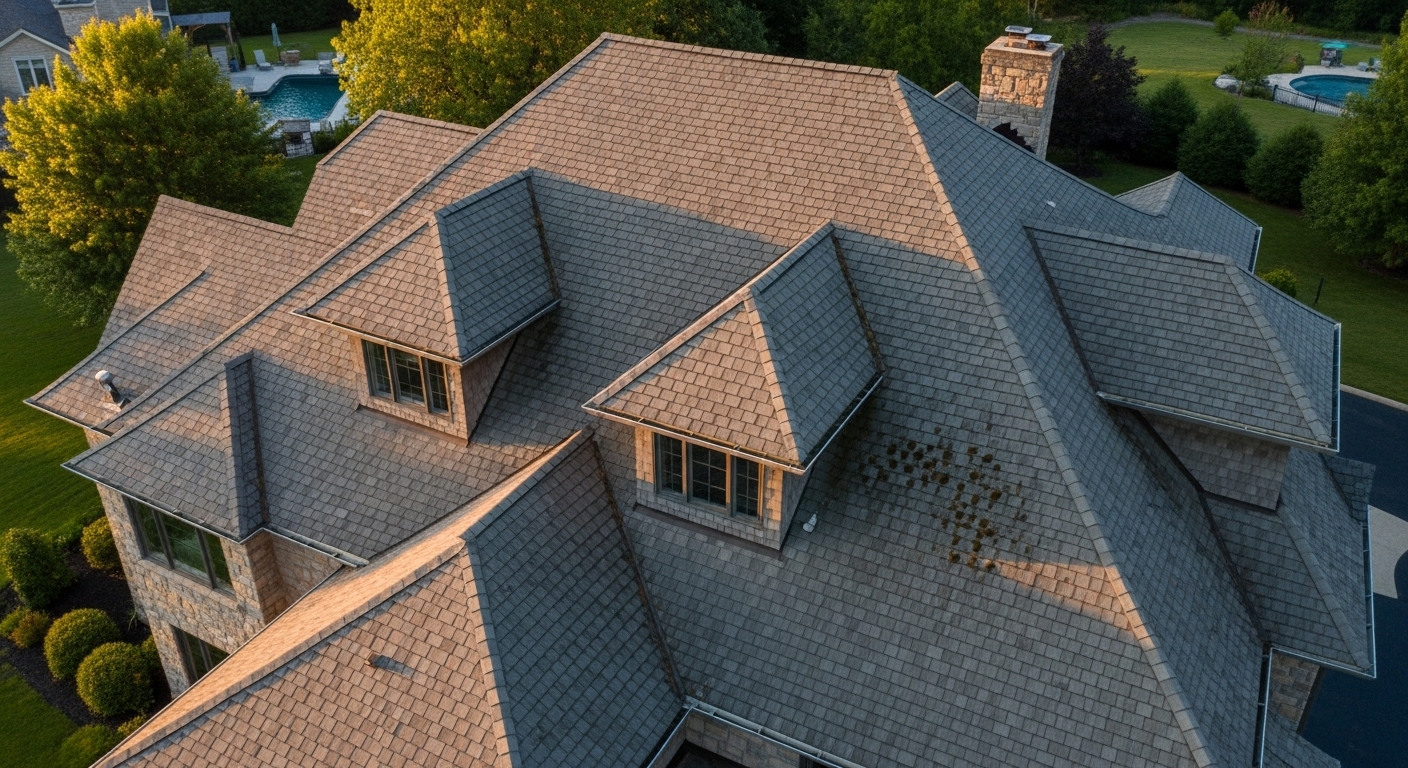
Architectural shingles are sometimes called dimensional or laminated shingles. They are thicker, heavier, and built in layers. Instead of lying flat, they create a textured surface that mimics wood shake or slate from a distance.
This layered build is not just visual. It adds strength. Many architectural shingles are rated for 110 mph winds, sometimes more with enhanced nailing patterns. That difference matters in storm prone areas, even if nobody mentions it during the estimate.
They also hide roof deck imperfections better. The extra thickness smooths out minor uneven spots that would stand out under regular shingles.
Cost difference, where most decisions are made
Price is where opinions get loud. Regular shingles are cheaper upfront. On average, material costs for regular shingles are lower by 20 to 40 percent compared to architectural shingles. Labor costs are often similar, since installation time does not change much.
For a typical 2000 sq ft home, the total project cost difference can land anywhere from $1500 to $3000 depending on region and brand. That number feels large until homeowners consider lifespan differences.
Some people choose regular shingles knowing they will move within a few years. Others regret it later when replacement comes sooner than expected.
Lifespan expectations, not promises
Regular shingles usually carry warranties around 20 to 25 years. Real world lifespan is often closer to 15 to 20 years depending on climate, ventilation, and sun exposure. Heat and UV wear them down faster than brochures suggest.
Architectural shingles often come with 30 year or limited lifetime warranties. In practice, many last 25 to 30 years when installed correctly. Thicker material resists cracking, curling, and granule loss better over time.
No shingle lasts forever. But architectural ones tend to age slower, visually and structurally.
Wind resistance and storm behavior
This is where construction differences matter more than appearance. Regular shingles rely on adhesive strips to stay sealed. Once that seal breaks, wind can lift them easily. Missing tabs after storms are common on older roofs.
Architectural shingles interlock more aggressively due to their layered design. The added weight helps too. After strong wind events, roofs with architectural shingles generally show fewer failures, according to insurance inspection data shared within the industry.
That does not mean they are immune. Just more forgiving.
Weight and roof structure considerations
Architectural shingles weigh more. Sometimes significantly more. Most modern homes are designed to handle this without issue. Older homes, especially those with minimal framing or existing structural wear, may need evaluation before switching.
Regular shingles remain lighter and easier on older structures. In rare cases, that matters enough to influence the decision.
Appearance and resale value perception
Real estate agents rarely say it directly, but roofs influence buyer confidence. Architectural shingles look richer, deeper, and newer even when they are not. Regular shingles look functional, sometimes dated.
Several housing market studies have shown that homes with newer architectural shingle roofs tend to attract higher buyer interest, especially in mid range neighborhoods. It does not always increase appraisal value dollar for dollar, but it affects speed of sale.
Curb appeal is not fluff. It shapes first impressions more than people admit.
Installation tolerance and error forgiveness
Architectural shingles are slightly more forgiving of minor installation errors. Their thickness hides small alignment issues. Regular shingles show mistakes instantly. Crooked lines or uneven spacing become obvious fast.
This does not excuse poor workmanship. It just means architectural shingles offer less visual punishment when things are not perfect.
Which one actually makes sense?
Regular shingles make sense for tight budgets, rental properties, or homes planned for short term ownership. They do their job when installed properly. No shame in that choice.
Architectural shingles make sense for long term ownership, storm exposure, and homeowners who care about durability and appearance aging well. The higher upfront cost often balances out over time, though not always perfectly.
The right choice depends less on trends and more on how long the roof needs to quietly do its job without becoming a problem again.
Closing thoughts
There is no universal winner here. Regular shingles are simple and affordable. Architectural shingles are tougher and longer lasting. One saves money today. The other saves frustration later, usually.
The mistake is assuming they are basically the same with a different look. They are not. The differences show up slowly, year by year, storm by storm. That is when the decision made on paper starts to feel real.
