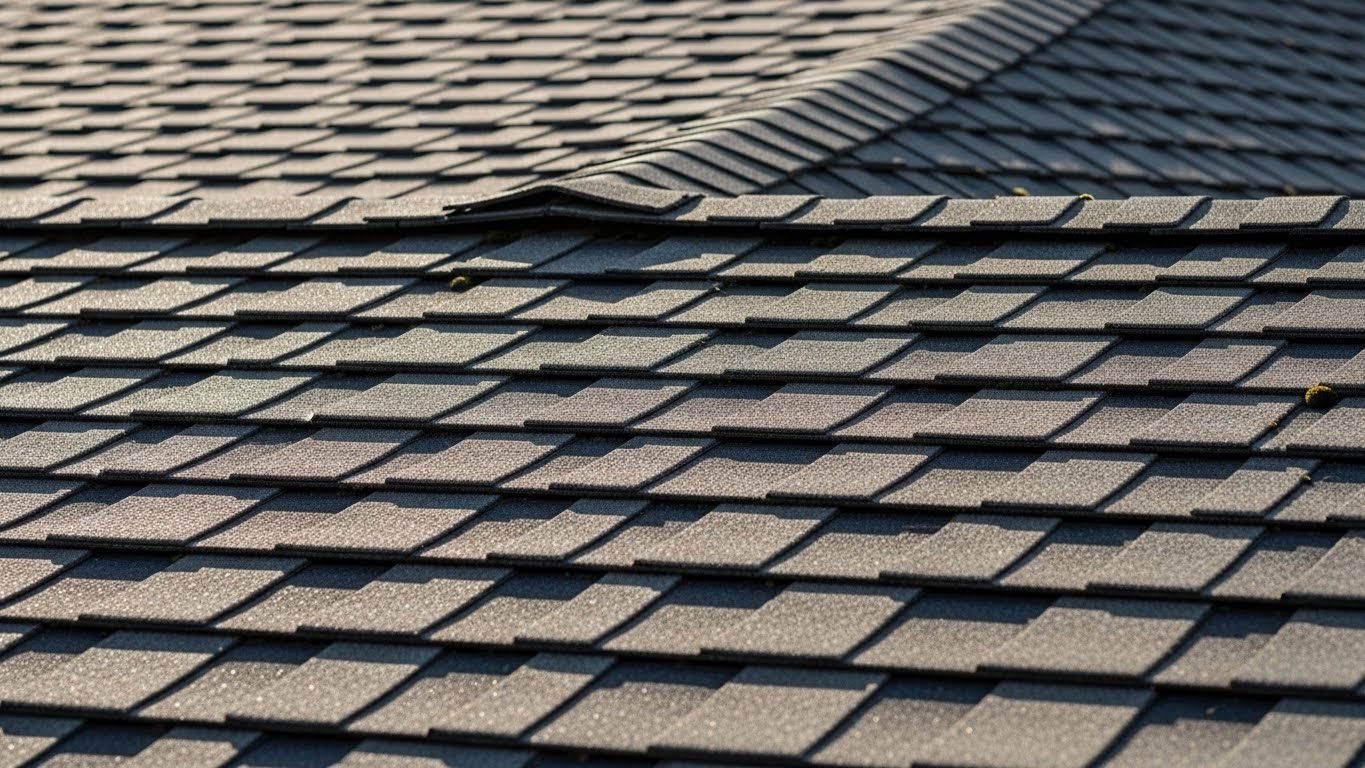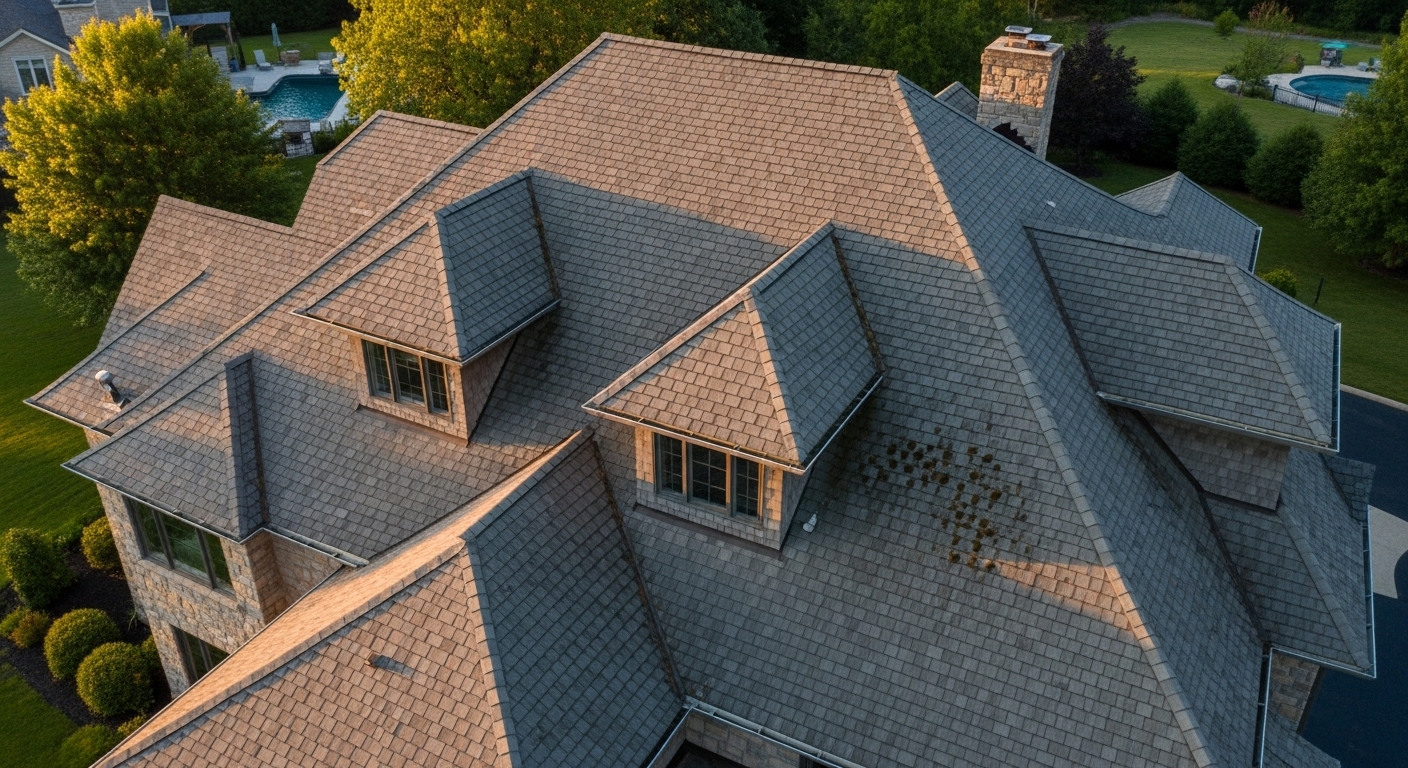
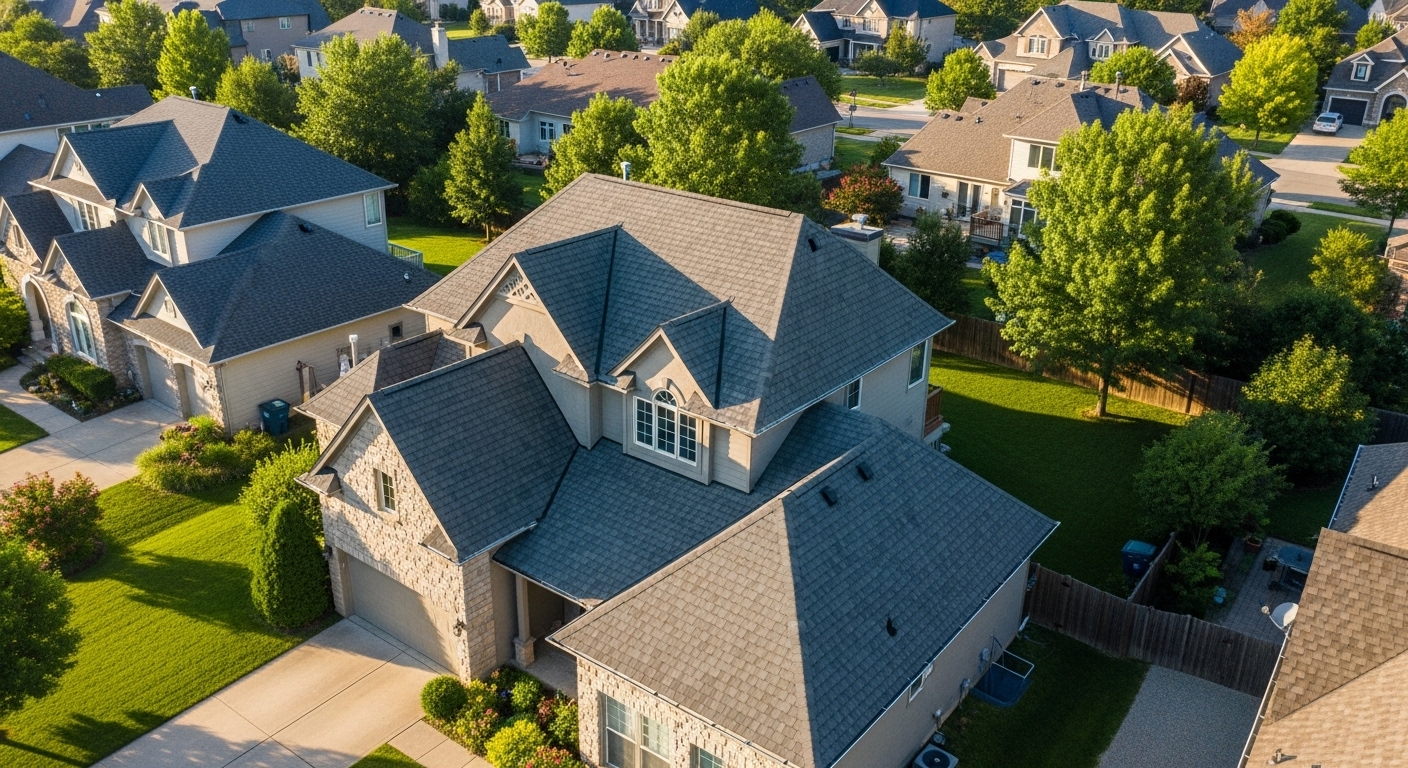
Architectural shingles look tough. Thicker profile, layered edges, heavier feel in the hand. People assume that means hurricane proof. Not exactly. Wind resistance is real, measurable, and limited. The trick is knowing where the limit actually sits, not where marketing copy wants it to sit.
Most homeowners only think about wind ratings after a storm knocks a few tabs loose. By then, the numbers suddenly matter more than the color choice ever did.
The standard wind ratings you actually see in the field
Most modern architectural shingles are rated for wind speeds between 110 mph and 130 mph. That number is not random. It comes from standardized testing where shingles are sealed, fastened, and then exposed to controlled uplift forces.
The 110 mph rating is common for entry level architectural shingles. Mid to higher tier products often carry a 130 mph rating when installed using the manufacturer’s required nailing pattern. Some premium lines advertise higher resistance, but the fine print matters a lot here.
The rating assumes ideal conditions. Correct nails. Correct placement. Correct sealing. One missed step and the number quietly drops.
How these wind ratings are actually tested
Wind ratings are not based on real storms blowing sideways through neighborhoods. They are tested using uplift resistance, basically measuring how much force it takes to lift and detach the shingle once sealed.
The shingles are installed on test decks, allowed to seal properly, and then subjected to increasing air pressure. If they stay put, they pass. If they peel, crack, or detach, they fail.
This matters because real wind does not behave politely. Gusts hit edges, corners, and weak points first. Valleys and ridgelines see more stress than flat runs of roof.
Why installation matters more than the shingle itself
A 130 mph rated architectural shingle installed incorrectly will not survive 90 mph gusts for long. Nail placement is the biggest factor. Too high, too low, angled, overdriven, or underdriven nails all reduce holding power.
Most manufacturers require at least four nails per shingle for standard wind ratings. For enhanced wind resistance, six nails are often required. Skip that detail and the warranty usually disappears quietly.
Sealing is another overlooked piece. Shingles need warmth and time to seal properly. A roof installed in cold weather may not fully seal for weeks. Until that seal forms, wind resistance is lower than the rating suggests.
Roof geometry changes everything
Wind does not hit every roof the same way. Architectural shingles on a low slope hip roof perform better than the same shingles on a tall gable roof with sharp edges.
Corners and eaves experience higher uplift pressures. Studies on wind damage consistently show that most shingle loss starts at roof edges. That is why starter strips and drip edge installation matter more than people think.
A perfectly rated shingle on a poorly detailed edge will fail early. It happens often, especially after fast moving storms.
Comparing architectural shingles to three tab shingles
Three tab shingles typically carry wind ratings around 60 to 70 mph, sometimes up to 90 mph with special installation methods. Architectural shingles nearly double that resistance due to thickness, weight, and bonding strips.
This difference is one reason many building codes now discourage or restrict three tab shingles in high wind zones. Architectural shingles simply stay down better when installed correctly.
Heavier shingles also resist fluttering, which reduces fatigue over time. Flutter weakens adhesive strips long before a shingle actually blows off.
Do architectural shingles survive hurricanes?
Sometimes yes, sometimes no. A 130 mph rating does not mean a roof survives a 130 mph hurricane. Hurricanes produce sustained winds, directional shifts, debris impacts, and pressure changes that testing does not fully replicate.
Data from post storm damage assessments shows that architectural shingles perform better than basic shingles, but roof failures still occur well below rated speeds when installation or decking is compromised.
Once wind driven rain gets under a lifted shingle, failure accelerates fast. One loose shingle often leads to many more.
Age reduces wind resistance more than people realize
Wind ratings apply to new shingles. Over time, asphalt dries, adhesives weaken, and granules shed. A 15 year old architectural roof does not behave like a new one, even if it looks fine from the ground.
Thermal cycling alone stresses sealant strips. Add UV exposure and pollution, and wind resistance slowly declines. This is why older roofs often lose shingles in storms that newer roofs survive without issues.
Local building codes and wind requirements
Many coastal and high wind regions require shingles rated at 110 mph or higher by code. Some areas require enhanced fastening patterns regardless of shingle type.
These rules exist because historical storm data shows repeated failure patterns. Codes usually follow damage, not predict it. When a requirement appears, it is often because something failed enough times to become expensive.
Ignoring these details can void insurance coverage after storm damage, which is a painful lesson for some homeowners.
So what wind speed can you realistically expect them to handle?
In real world conditions, a properly installed architectural shingle roof can usually tolerate sustained winds in the 80 to 100 mph range without widespread failure. Short gusts above that may still be survived, especially on well designed roofs.
Once winds exceed that range, damage becomes increasingly likely, regardless of rating. Not guaranteed failure, but the odds shift quickly.
The rating is a ceiling under controlled conditions, not a promise under chaos.
Final thoughts
Architectural shingles are not magic shields against wind. They are a strong middle ground between cost and performance. When installed with care, they resist storms far better than older roofing styles. When rushed or cut short, they fail earlier than expected.
Understanding wind ratings helps homeowners ask better questions. How many nails. Which pattern. What edge details. Those answers matter more than the bold number printed on the bundle wrapper.