
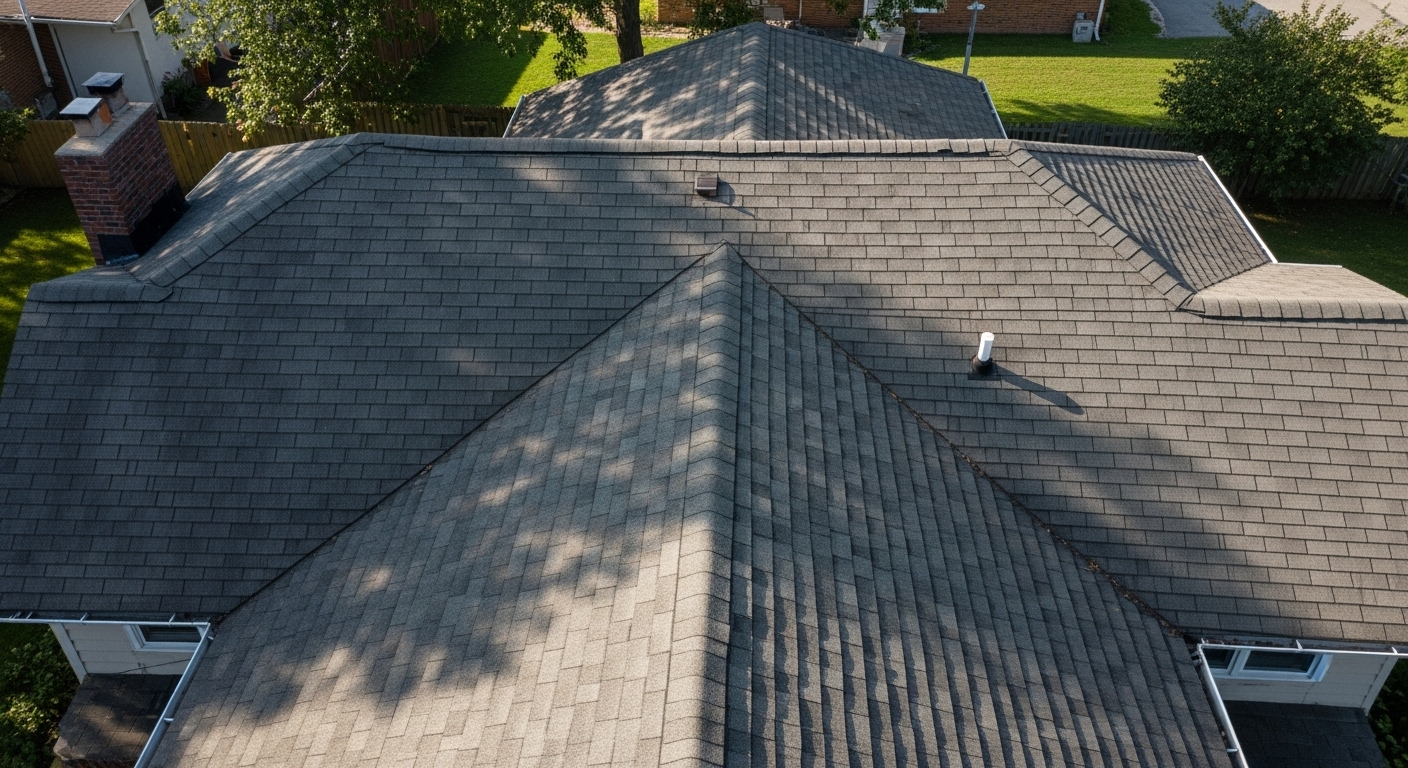
This question shows up when someone is planning a roof and feeling uneasy already. Not about style. Not about resale. About legality. Are 3 tab shingles actually allowed by building codes today, or are they something contractors quietly tolerate while inspectors look the other way. The short answer is yes, they are usually up to code. The longer answer has footnotes, weather maps, and a few uncomfortable details.
What building code actually controls roofing choices
Most roofing rules in the US trace back to the International Residential Code, commonly updated every three years. States and cities then adopt a version of it, sometimes with changes. The IRC does not ban 3 tab asphalt shingles outright. It focuses more on performance standards like wind resistance, fire rating, fastening patterns, and slope requirements.
3-tab shingles are a type of asphalt roofing material that has been widely used for decades, especially on budget-conscious builds and starter homes. They’re made from a single layer of asphalt with a flat, uniform appearance, and each shingle strip is cut into three tabs — hence the name.
https://www.a1roofproct.com/5-reasons-why-3-tab-shingles-are-being-phased-out
If a shingle product meets the minimum testing standards referenced in the adopted code version, it is generally allowed. That includes many 3 tab shingles still sold today.
Wind ratings are where things get strict
This is where 3 tab shingles start to feel fragile. Traditional 3 tab shingles are typically rated for 60 mph wind resistance under basic installation. Some manufacturers push that to 70 mph with enhanced fastening, but that is often the ceiling.
Many regions now require higher wind ratings due to updated local amendments. Coastal zones, hurricane prone areas, and some high wind inland regions may require shingles rated for 110 mph or more. In those locations, standard 3 tab shingles often fail code compliance unless special approvals are in place.
3-tab shingles are a type of asphalt shingle.
Each shingle consists of a single layer of material with tabs cut into the bottom edge to create the appearance of three separate shingles when installed. That’s where the name “3 tab” comes from.
They are used primarily on residential roofing, and were first released in 1935.
https://roofr.com/blog/all-you-need-to-know-about-3-tab-shingles
So yes, code compliant in one town. Not acceptable two counties over.
Fire ratings still matter, and 3 tab usually passes
Most modern 3 tab asphalt shingles carry a Class A fire rating when installed with approved underlayment. That meets the highest fire resistance classification used in residential codes. From a fire standpoint, inspectors usually have no issue with them.
This surprises some people who assume cheaper means unsafe. In this case, fire resistance is not the weak link.
Roof slope rules apply no matter the shingle type
Codes specify minimum roof slopes for asphalt shingles. Typically, slopes below 2 12 are not allowed for standard shingle installation at all. Between 2 12 and 4 12, special underlayment requirements apply.
3 tab shingles do not get a pass here. If the roof slope is too low and the installer ignores the required underlayment setup, the roof may fail inspection even if the shingles themselves are approved products.
Local amendments quietly override national rules
This is where confusion grows. A state or city can adopt the IRC but then add stricter local rules. Some municipalities discourage or outright restrict 3 tab shingles in high wind zones or new construction projects. Others allow them only for repairs or replacements, not full new builds.
Homeowners often assume code is universal. It is not. A shingle that passed inspection on one job can be rejected on another street.
Insurance standards complicate the picture further
Even when 3 tab shingles meet code, insurance companies may apply their own requirements. Some insurers reduce coverage terms or offer shorter roof life assumptions for 3 tab roofs. Others refuse wind coverage in certain regions unless architectural shingles are used.
This is not a code issue technically, but it affects whether a code legal roof makes practical sense.
Why inspectors still approve 3 tab roofs
Inspectors check compliance, not trends. If the shingle product has valid testing documentation, correct fastening, approved underlayment, and meets local wind and fire rules, it passes. They are not there to recommend better options or argue resale value.
That responsibility lands on the homeowner, sometimes without much warning.
New construction versus re roofing rules differ
Some jurisdictions allow 3 tab shingles for re roofing existing homes but restrict them for new construction. The logic is durability expectations. New homes are expected to meet more current performance benchmarks.
This distinction is easy to miss and shows up only when permits are pulled.
So are 3 tab shingles up to code or living on borrowed time
In many areas, yes they are still up to code. In others, only barely. And in high wind or coastal zones, often no. The trend in code updates and insurance guidelines points toward higher performance requirements over time.
3 tab shingles are not illegal relics. They are simply closer to the minimum line than they used to be. That line keeps shifting, quietly, revision by revision.
Final perspective
Code compliance answers the question can you install them. It does not answer should you. A roof that meets code today might struggle to meet expectations tomorrow, especially when storms, insurance renewals, or resale inspections enter the picture.
