
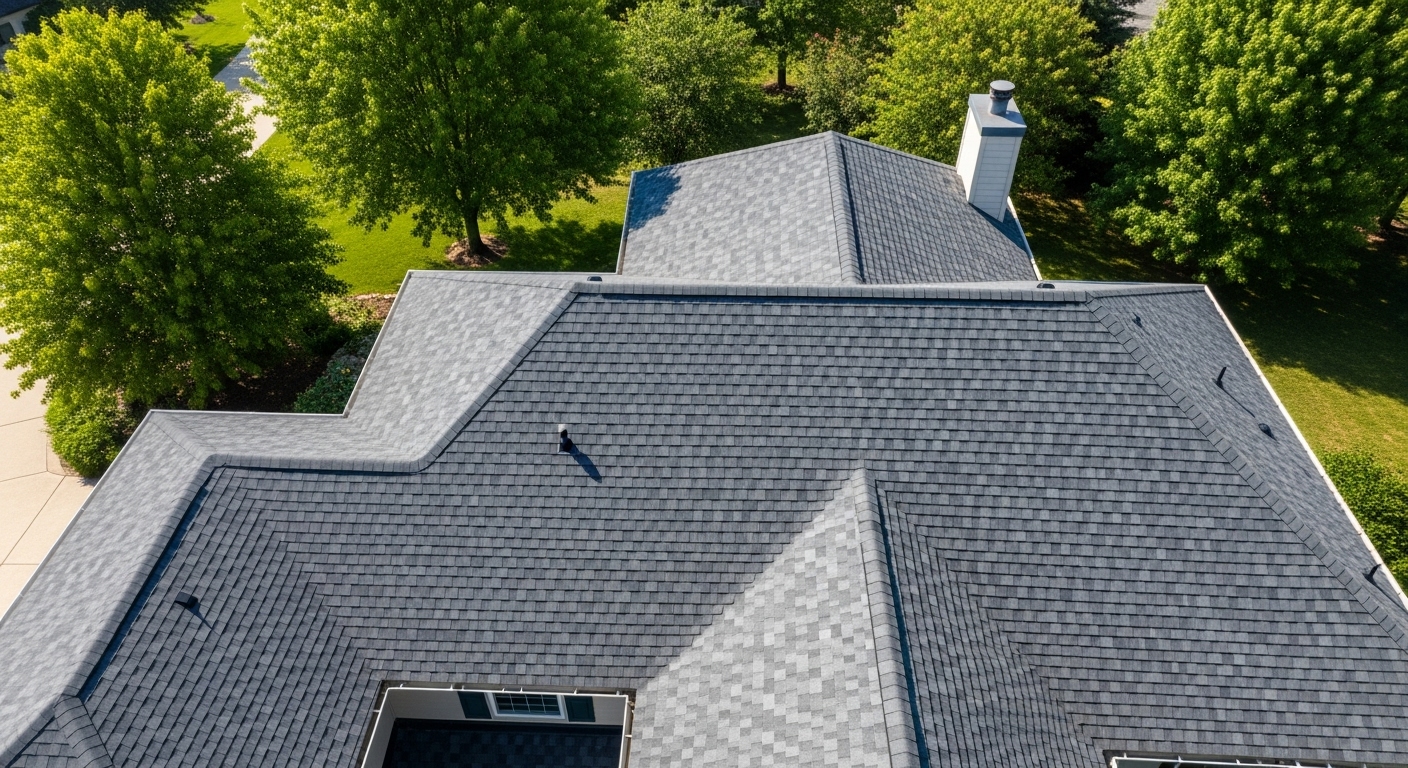
This question comes up quietly during roof replacements, usually halfway through estimates. Someone asks it like they are testing the room. Will this actually add value, or am I just paying extra to feel good about it. Fair question. The answer is not a clean yes or no. It bends. It depends. It annoys appraisers sometimes.
Architectural shingles do change how a house is perceived. That part is real. Whether that perception turns into actual dollars depends on timing, market behavior, and how buyers think in that moment.
What architectural shingles actually are, beyond the name
Architectural shingles are thicker, layered asphalt shingles designed to mimic depth. They are also called dimensional shingles, laminated shingles, or just the nicer ones. Compared to basic three tab shingles, they have more weight, more texture, and a longer expected service life.
Architectural shingles are a type of asphalt roofing made by laminating two or more asphalt strips together. The multiple layers of asphalt make architectural shingles thicker, more durable and dimensional than 3-tab asphalt shingles (a.k.a. regular asphalt shingles).
Also known as dimensional shingles or thick-cut shingles, architectural shingles are designed to mimic the look of premium roofing materials, such as cedar shake and slate tile.
https://www.decra.com/blog/what-are-architectural-shingles
Most architectural shingles last 25 to 30 years under average conditions. Three tab shingles often fall closer to 15 to 20. That lifespan difference matters in theory. In practice, buyers don’t usually calculate it with a spreadsheet. They react to how the roof looks and how old it feels.
Curb appeal, the part buyers notice first
Roofing plays a strange role in curb appeal. People rarely compliment a roof directly, but they absolutely notice when one looks tired. Architectural shingles add shadow lines and depth that make a roof appear newer and more substantial. Especially on homes with visible rooflines, the visual upgrade is obvious.
Real estate agents often mention roof appearance during showings even if buyers do not ask. A roof that looks modern and dimensional sends a quiet signal that the home has been maintained. That signal can help shorten days on market, which indirectly supports value.
Appraised value versus perceived value
Here is where things get uncomfortable. Appraisers do not usually assign a specific dollar increase just because a home has architectural shingles. They care about roof condition, age, and remaining life more than shingle style. A new roof matters. The exact shingle tier matters less on paper.
That said, a newer architectural roof may help a home appraise closer to the top of its comparable range. It removes objections. It eliminates deductions. It prevents downward adjustments. That is not flashy, but it is valuable.
Buyer psychology, not all logic, some emotion
Buyers think emotionally first, rationally later. A roof replacement is one of the most expensive future expenses they fear. When they see architectural shingles that look solid and recent, anxiety drops. Less fear means fewer price negotiations.
Studies on home renovations show that exterior improvements tend to offer higher perceived returns than interior ones with similar costs. Roofing falls into this category. It may not return 100 percent of its cost, but it often protects value more than it boosts it outright.
Return on investment, what the numbers usually say
Industry cost recovery reports over the years generally show asphalt roof replacements recouping around 60 to 70 percent of their cost at resale. Architectural shingles tend to land on the higher side of that range compared to three tab shingles, mainly because they extend roof life and improve appearance.
So if a homeowner spends $3000 more upgrading from basic shingles to architectural ones, they might recover $1800 to $2200 of that difference in resale conditions that favor sellers. The rest comes back as peace of mind, not cash.
Market timing matters more than shingle choice
If a home is sold right after a roof replacement, the value impact is stronger. Buyers see a new roof and mentally check off a major concern. If the sale happens ten years later, the distinction between architectural and three tab becomes blurrier to the average buyer.
Hot markets also compress differences. When buyers compete, roof upgrades matter less. In slower markets, condition details carry more weight. Architectural shingles help most when buyers have time to be picky.
Neighborhood standards quietly influence value
If most homes in a neighborhood have architectural shingles, installing basic three tab shingles can actually work against value perception. Buyers compare. Appraisers notice patterns too. Matching neighborhood quality standards helps maintain value.
On the other hand, installing high end architectural shingles in a neighborhood of older starter homes may not generate proportional returns. It still improves condition, but the ceiling is set by surrounding properties.
Longevity and insurance considerations
Architectural shingles often have better wind ratings than three tab shingles. Some insurers recognize this with small premium benefits, depending on region and policy. While the savings are usually modest, they add to long term ownership value.
Durability also reduces the chance of premature replacement, which buyers indirectly appreciate even if they never calculate it.
So do architectural shingles really increase home value
They usually protect value more than they inflate it. They help homes sell easier, negotiate less painfully, and feel safer to buyers. They may push resale numbers upward slightly, but their real strength is reducing friction.
For homeowners choosing between shingle types during a planned roof replacement, architectural shingles are rarely a wasted upgrade. They age better, look better, and quietly support resale outcomes without needing to shout about it.
Value is not always about adding dollars. Sometimes it is about removing doubts. Architectural shingles do that part fairly well.
