
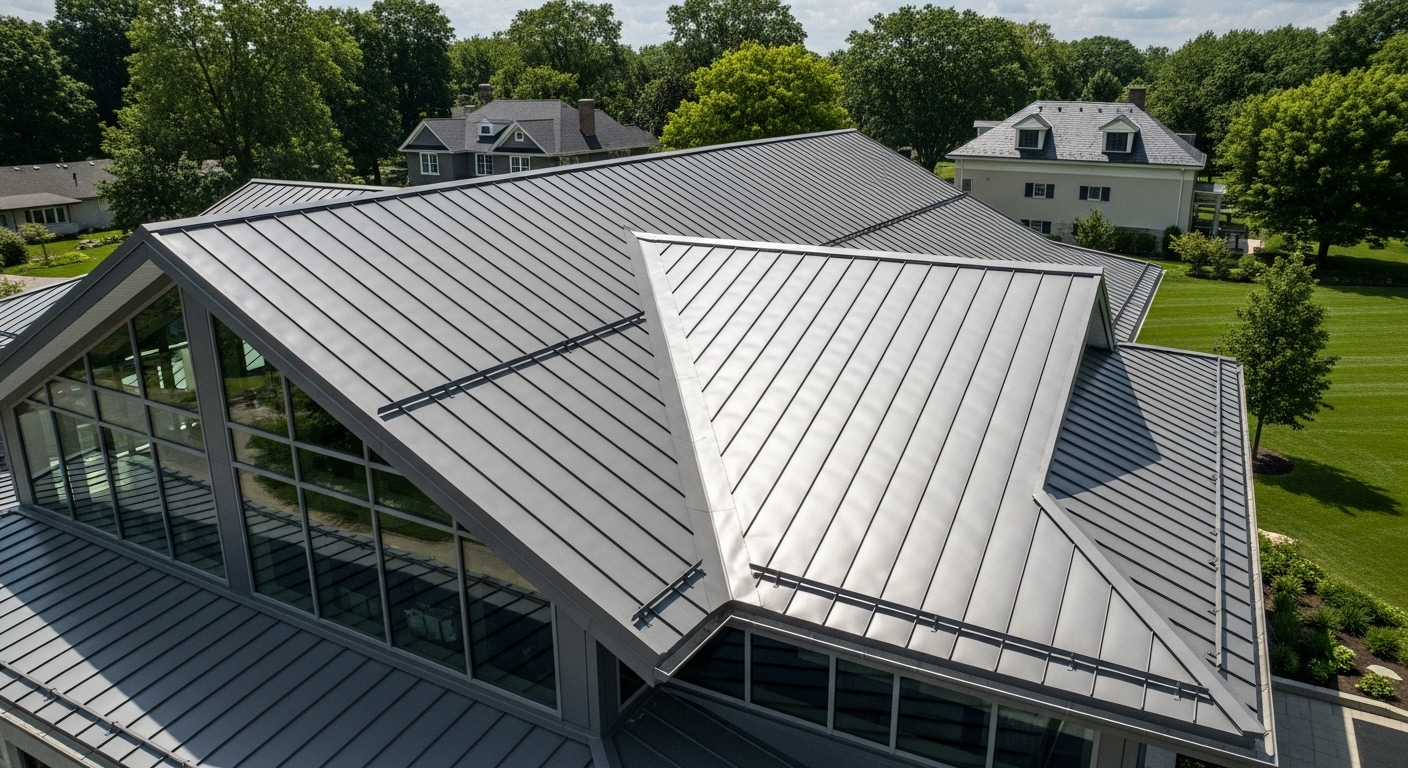
This question comes up at kitchen tables, contractor offices, and oddly enough, parking lots while staring at someone else’s house. Metal roof or shingles. Sounds like a simple fork in the road. It rarely stays simple. Cost, noise myths, lifespan claims, resale fears, and weather horror stories all start talking at once.
Both systems work. Both systems fail when installed poorly. The difference lives in details people usually gloss over, or misunderstand slightly, or hear from a neighbor who had a weird experience once.
Upfront cost, where the argument usually begins
Asphalt shingles almost always win the first round. A shingle roof generally costs less to install, sometimes dramatically less. For an average sized home, shingles might come in at half the price of metal, sometimes even lower depending on region and roof shape. That price gap is hard to ignore when budgets are already stretched.
Metal roofing demands more at the start. Materials cost more. Labor requires specialized skills. Mistakes are less forgiving. Many homeowners feel that sticker shock and walk away immediately, not wrong exactly, just reacting honestly.
Lifespan expectations, where things flip a bit
Shingles are not short lived junk, despite how people talk. A well installed architectural shingle roof often lasts 20 to 30 years in mild climates. In harsher weather zones, that lifespan shortens. Sun exposure, heat cycles, and storms slowly chew away at them.
Metal roofs play a longer game. Many are rated for 40 to 70 years depending on the system. Standing seam panels can outlast multiple shingle roofs if maintained properly. That longevity is real, not marketing fluff, though it assumes quality installation, which not every crew delivers.
Maintenance reality, less dramatic than expected
Shingles need periodic attention. Loose tabs, granule loss, flashing checks. Small things add up over time. Repairs are usually simple and affordable, which people like. You can swap a few shingles without touching the whole roof.
Metal roofs need less frequent intervention, but when they do need it, repairs can be more specialized. Fastener issues, sealant aging, or panel damage require someone who understands metal systems. Not every roofer does, and that matters more than brochures suggest.
Weather performance, the part full of half truths
Metal roofs handle wind exceptionally well when installed correctly. Snow sheds easily. Fire resistance is excellent. In heavy rain, they perform just fine, despite the noise stories people love repeating. With proper decking and insulation, metal roofs are not loud inside, though older homes without attic insulation can notice more sound.
Shingles perform well too, just differently. They absorb sound naturally. They handle hail reasonably well, depending on impact rating. Extreme wind can lift them if nails were rushed or patterns ignored. Most failures blamed on shingles are really installation failures.
Energy efficiency, not magic but measurable
Metal roofs reflect more solar radiation, especially lighter colored or coated systems. In hot climates, this can reduce attic heat buildup and ease cooling demand slightly. The savings exist, but they are not life changing for most homes.
Shingles absorb more heat, particularly darker colors. Ventilation matters more than material here. A properly vented attic with shingles often performs better than a poorly vented attic under metal. Material alone does not solve energy problems.
Appearance and neighborhood pressure, yes it matters
Shingles blend in. That is their quiet strength. Most neighborhoods expect them. HOAs rarely object. Buyers understand them instantly.
Metal roofs stand out more, sometimes beautifully, sometimes awkwardly. Standing seam looks clean and modern. Exposed fastener panels look utilitarian. Some buyers love metal. Others hesitate. Local norms influence resale more than objective performance.
Installation skill, the invisible deciding factor
A great shingle installer beats a bad metal installer every time. The same works in reverse. Metal roofing has less margin for error. Poor flashing details or incorrect panel spacing can create long term problems that take years to show up.
Shingle installation mistakes usually reveal themselves sooner, which oddly makes them easier to fix. Either way, the installer matters more than the material choice, a point people often ignore until it is too late.
Long term cost, where math gets messy
Metal roofs often cost less over 40 to 50 years when spread out over time. Fewer replacements. Fewer tear offs. That math works if the homeowner stays long enough to benefit.
Shingles cost more over decades due to replacement cycles, but many homeowners sell before that matters. For them, lower upfront cost beats long term projections they may never personally experience.
So which is better, really?
Neither option wins universally. Metal roofs reward long term thinking, stable ownership, and willingness to invest upfront. Shingles reward flexibility, affordability, and easier repairs. Climate, installer quality, and how long you plan to stay in the home matter more than internet debates suggest.
The better roof is the one installed correctly, maintained reasonably, and chosen with clear eyes rather than fear or hype. Everything else is noise, sometimes literally.
